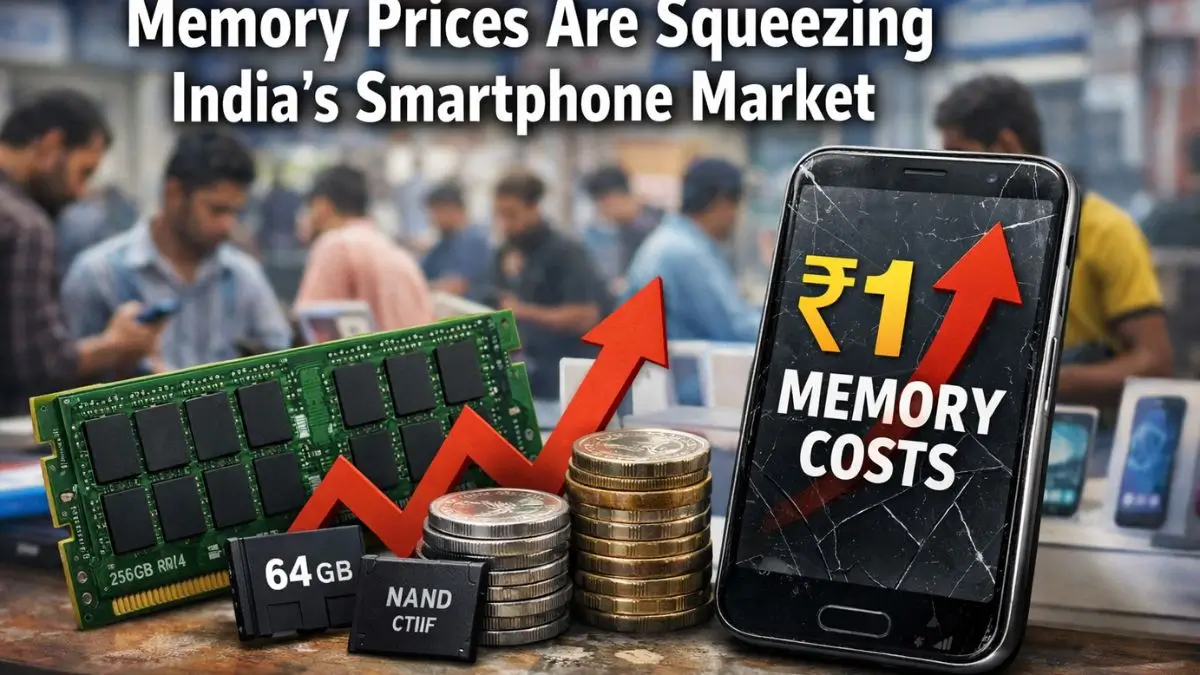
India’s smartphone industry is entering a tricky phase in 2024 as memory components—DRAM and NAND flash—get significantly costlier. With component inflation, leaner channel margins, and softer demand in the value segment, brands are cutting back on shipments and discounts. Multiple industry trackers warn the market could contract by over 13% this year if memory prices remain elevated through the festive quarter.
Memory Prices Are Skyrocketing — Is Your Next Phone About to Get Pricier?
Over the last two quarters, contract prices for mobile DRAM and NAND have climbed sharply on the back of supply discipline by leading chipmakers and a demand surge from AI servers. The ripple effect is immediate: the bill of materials for popular 6GB–8GB RAM and 128GB–256GB storage configurations has gone up noticeably, tightening the math for brands that rely on razor-thin margins and aggressive promotions.
For many mainstream devices, the added cost can be the difference between a launch at an attractive price point and a cautious rollout with limited stock. Expect fewer flash sales and modest price hikes in select models, especially those promising “best-ever” RAM and storage in the budget segment. Retailers say promotions now focus on bank offers and EMI plans rather than direct price cuts, as brands protect profitability.
Budget Buyers Beware: Why the Sub-15K Segment Is Feeling the Heat
The biggest pressure is visible below the Rs 15,000 mark, where price sensitivity is highest and memory is now a larger share of the total cost. As 5G steadily becomes the default, the baseline for smooth performance has shifted toward 6GB/8GB RAM and at least 128GB storage—precisely the specs that get costlier when DRAM and NAND jump. To keep sticker prices in check, some brands are quietly trimming specs, recycling older designs, or prioritizing online-only variants with aggressive marketing but limited availability.

Offline stores, particularly in Tier 2 and Tier 3 cities, report a cautious buyer mood. Footfall is steady, but conversion suffers when discounts are thinner and older 4G inventory competes for attention. Without big festive blowouts, channel inventory is likely to remain lean, which helps margins but hurts volume recovery.
Premium Still Shines, But There’s a Catch You Didn’t See Coming
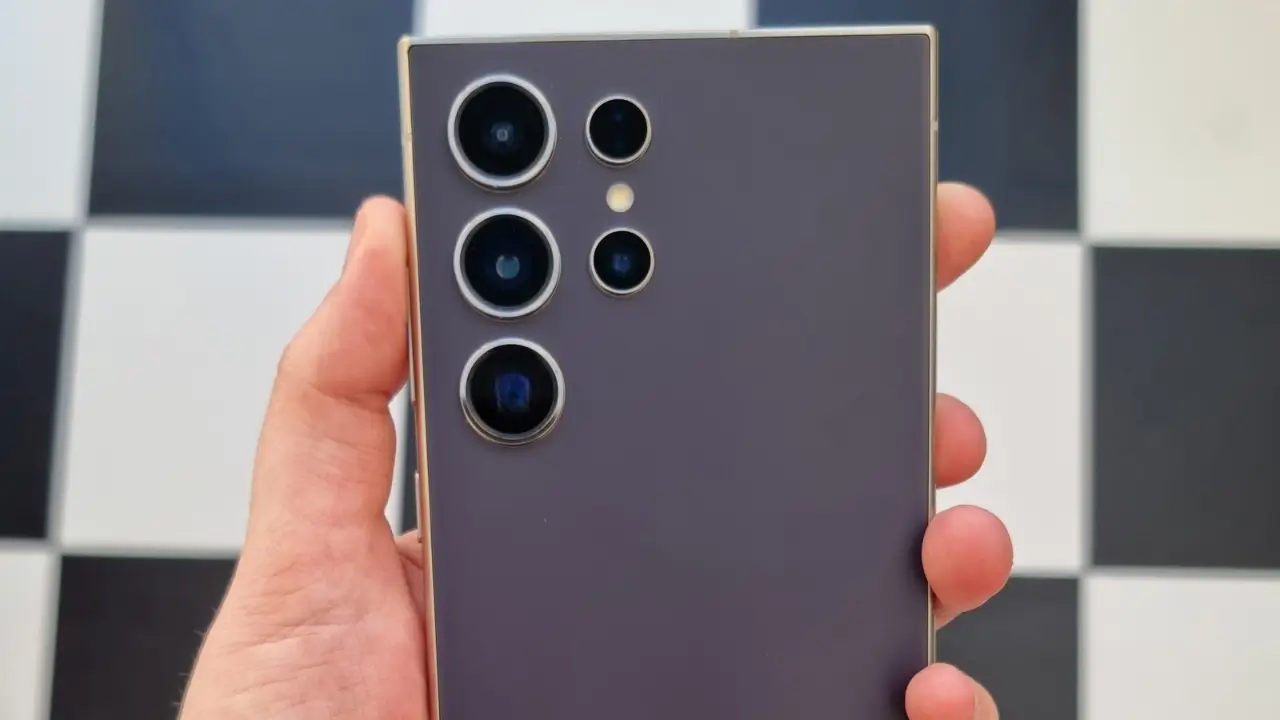
While mass-market phones are under pressure, premium devices (Rs 30,000 and above) are proving resilient. EMI plans, exchange bonuses, and launch-time bundled offers continue to keep aspirational buyers in the game. Strong camera systems, long software support, and emerging on-device AI features are nudging upgrades despite the macro headwinds. Brands with established premium ecosystems are gaining share, and last year’s flagships—now discounted—are attracting savvy upgraders.
However, even at the top end, brands are recalibrating. Instead of flooding the market with overlapping SKUs, they are prioritizing hero models and supply discipline. Foldables are inching forward from niche to meaningful, but limited yield and high BOM keep them aspirational. The message from the premium aisle is clear: fewer gimmicks, more value per rupee, and a stronger focus on long-term ownership experience.

Festive Rescue or False Dawn? What Experts Expect Next
Hopes are pinned on the second half, but a blockbuster bounce-back now looks unlikely unless memory prices stabilize. With channel partners wary of excess inventory, brands are planning calibrated launches rather than deep-discount festivals. Analysts say shipments could still slip into a double-digit decline for the full year if component costs stay elevated through Q3 and early Q4. The upside scenario: a modest rebound in late Q4 if DRAM/NAND pricing cools and consumer sentiment lifts.
What could change the trajectory? Broader availability of 5G-ready chipsets at lower costs, better yields on higher-density memory, and a fresh wave of mid-range models promising stronger AI-assisted features—without inflating prices. If that trifecta lands by year-end, 2025 could open with healthier momentum.
Should You Buy Now or Wait? Smart Tips for Indian Shoppers
If you need a phone today, lean on exchange programs, no-cost EMI, and credible bank offers—these will do more heavy lifting than straight price cuts this year. Compare memory tech carefully: LPDDR5/5x and UFS 3.1/4.0 deliver snappier real-world performance than older standards, so a slightly higher upfront price can pay off in longevity. Also consider last year’s premium models at today’s mid-range prices; they often ship with better cameras, refined software, and longer update timelines.
Waiting could help if you’re eyeing festive deals or the next-gen mid-range wave with more AI features baked in. But if your current device is failing, don’t hold out for a miracle sale season; this year’s promotions will be measured, not manic.
Made-in-India Momentum Meets Cost Heat Inside the Factory
Domestic manufacturing continues to expand under production-linked incentives, with more assembly and PCB work shifting onshore. Yet memory remains largely imported, which limits how much local value addition can blunt global price spikes. EMS partners are walking a tightrope on margins, while brands explore deeper CKD/SKD optimizations to shave costs without sacrificing quality. Currency swings add another wrinkle, nudging brands to plan launches and procurements more conservatively.
India’s smartphone story isn’t derailed—it’s being rewritten by new cost realities. As memory prices dictate near-term strategy, brands are doubling down on fewer, stronger models, better software support, and pragmatic pricing. For buyers, the smartest move is to chase overall value, not just headline specs: balanced performance, reliable updates, and trustworthy after-sales. If component inflation eases by late 2024, the stage is set for a cleaner, more competitive 2025—one where meaningful AI features, smarter thermals, and efficient 5G become standard without breaking the bank.